
 Albania
 Andorra
 Austria
 Belgium
 Bosnia and Herzegovina
 Bulgaria
 Croatia
 Cyprus
 Czechia
 Denmark
 Estonia
 Finland
 France
 Germany
 Greece
 Hungary
 Iceland
 Ireland
 Italy
Italy Latvia
 Liechtenstein
 Lithuania
 Luxembourg
 Malta
Malta Moldova
 Monaco
 Montenegro
 Netherlands
 North Macedonia
 Norway
 Poland
 Portugal
 Romania
 Russia
 San Marino
 Serbia
 Slovakia
 Slovenia
 Spain
Spain Sweden
 Switzerland
 Turkey
 Ukraine
 United Kingdom
 Bahrain
 Iran
Iran Iraq
Iraq Israel
 Jordan
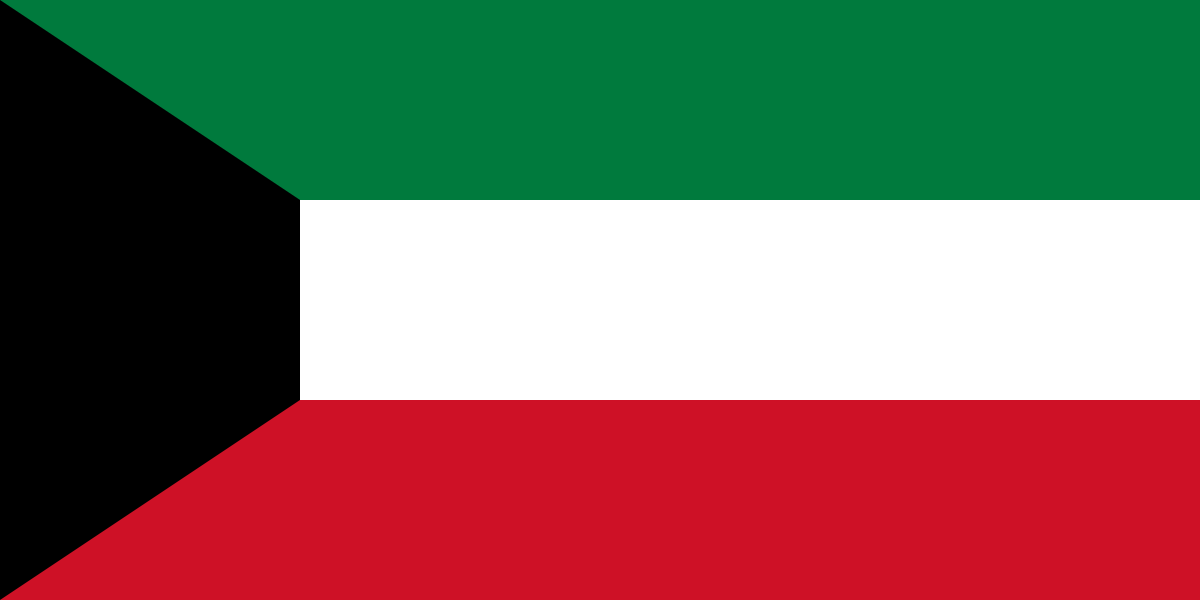 Kuwait
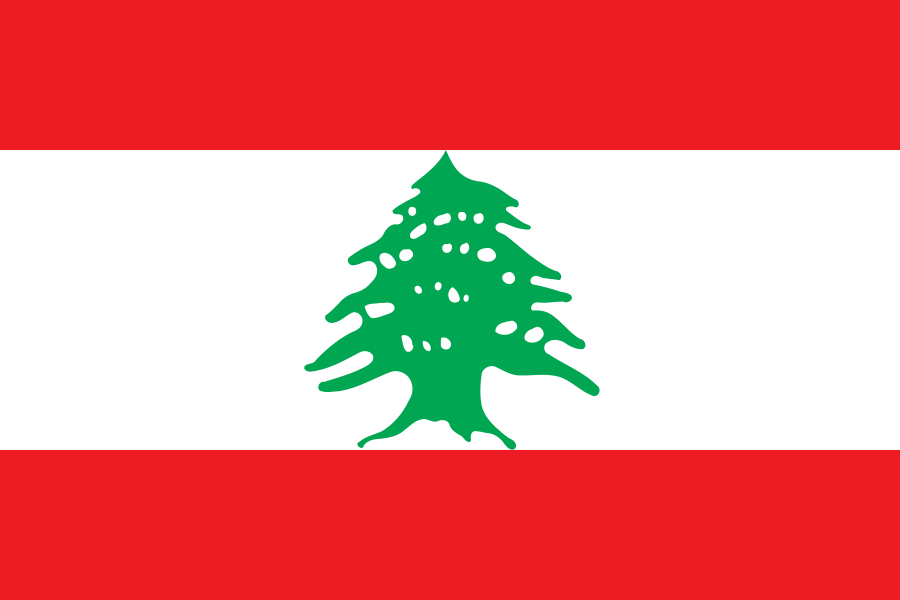 Lebanon
 Oman
Oman Qatar
Qatar Saudi Arabia
 United Arab Emirates
 Armenia
 Azerbaijan
 Bangladesh
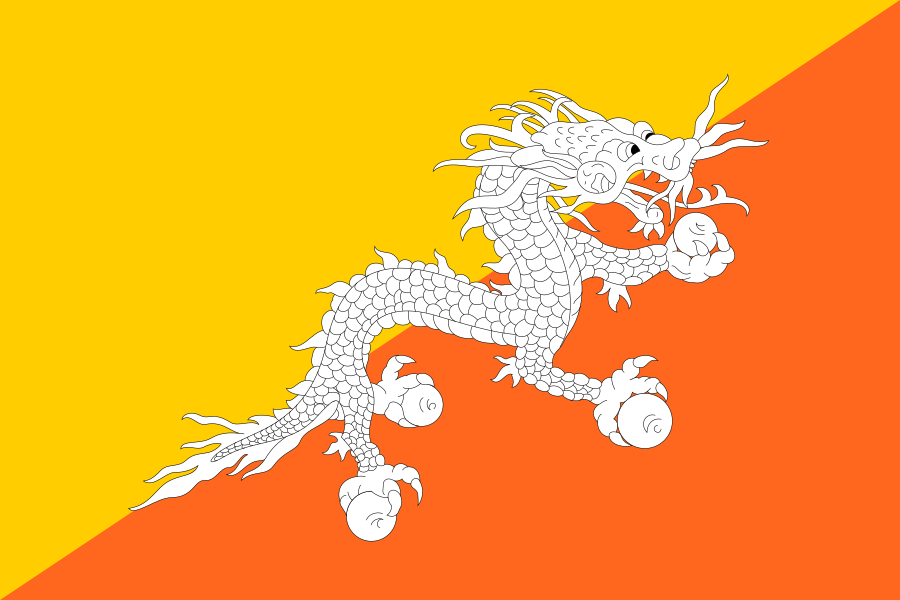 Bhutan
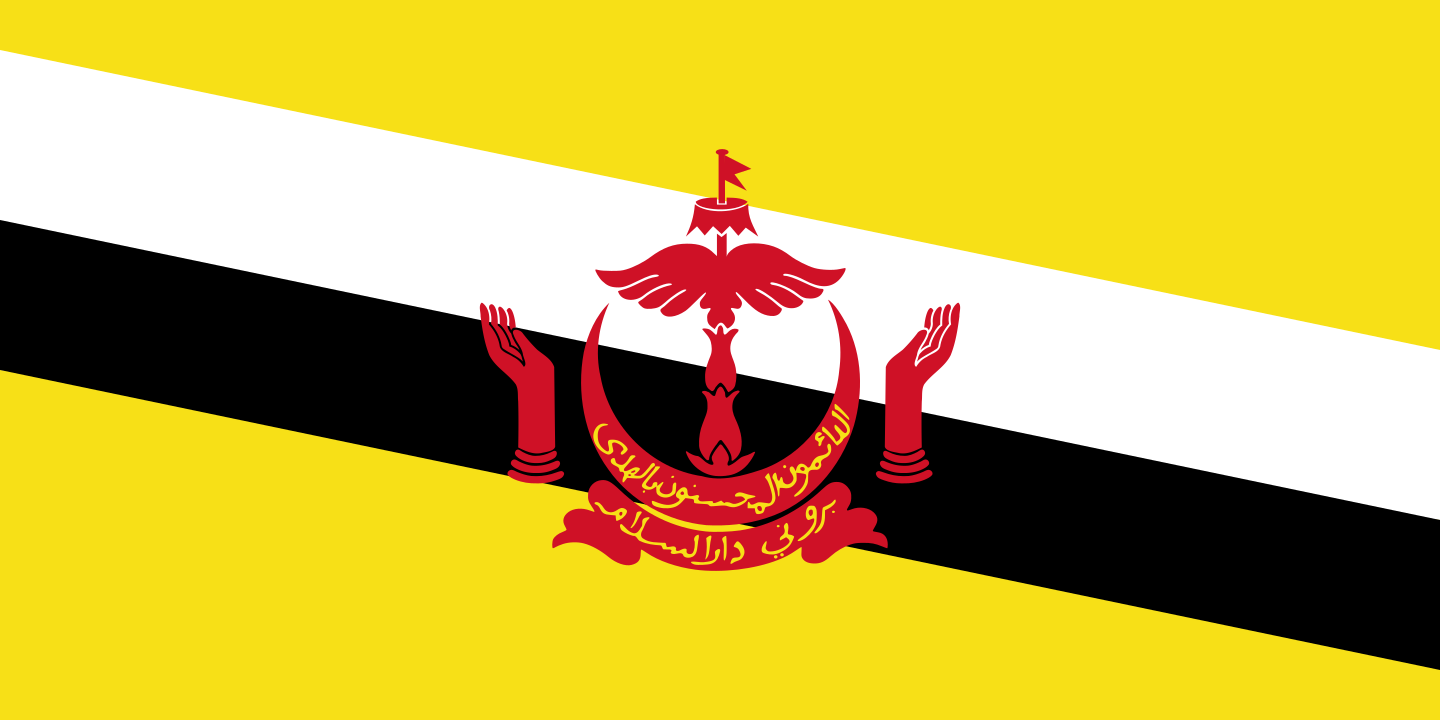 Brunei
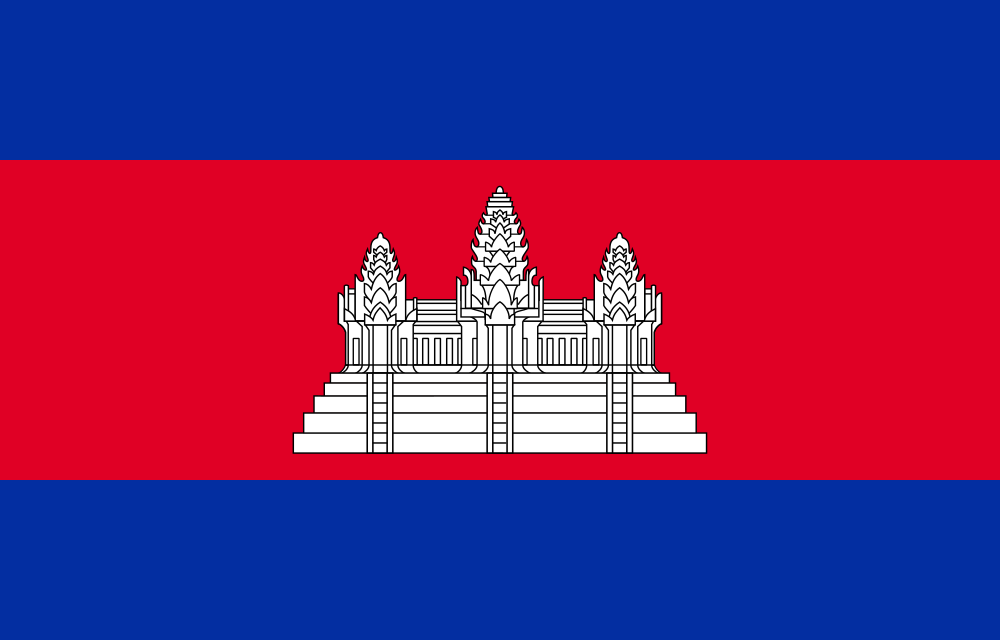 Cambodia
 China
China Georgia
 Indonesia
 Japan
Japan Kazakhstan
 Kyrgyzstan
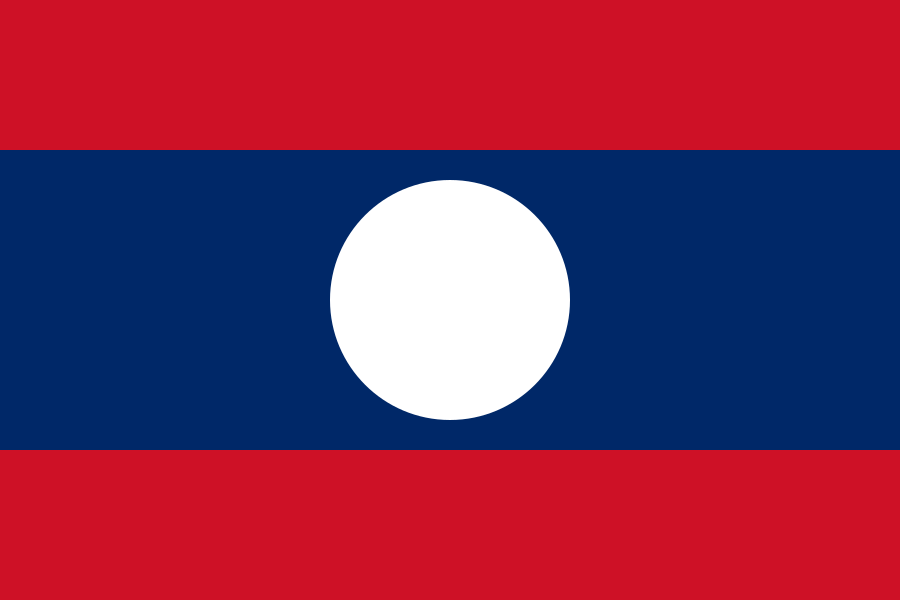 Laos
Laos Malaysia
 Maldives
 Mongolia
 Nepal
Nepal Pakistan
 Philippines
 Singapore
 South Korea
 Sri Lanka
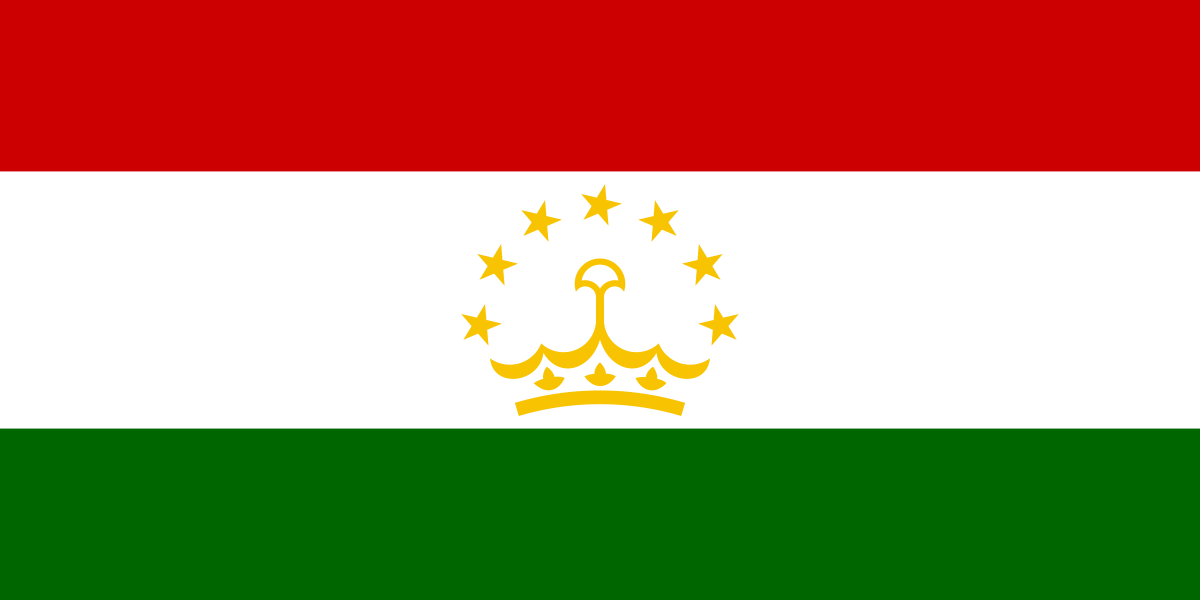 Tajikistan
 Thailand
 Timor-Leste
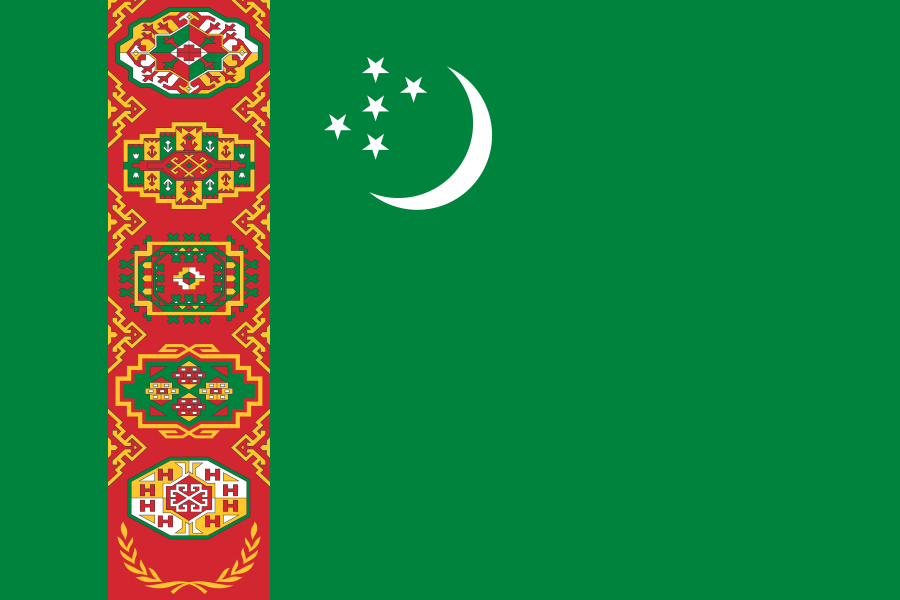 Turkmenistan
 Uzbekistan
 Vietnam
 Australia
 New Zealand
 Algeria
 Angola
 Benin
Benin Botswana
 Burkina Faso
 Burundi
 Cabo Verde
 Cameroon
 Chad
Chad Comoros
 Côte d'Ivoire
 DR of
Congo
DR of
Congo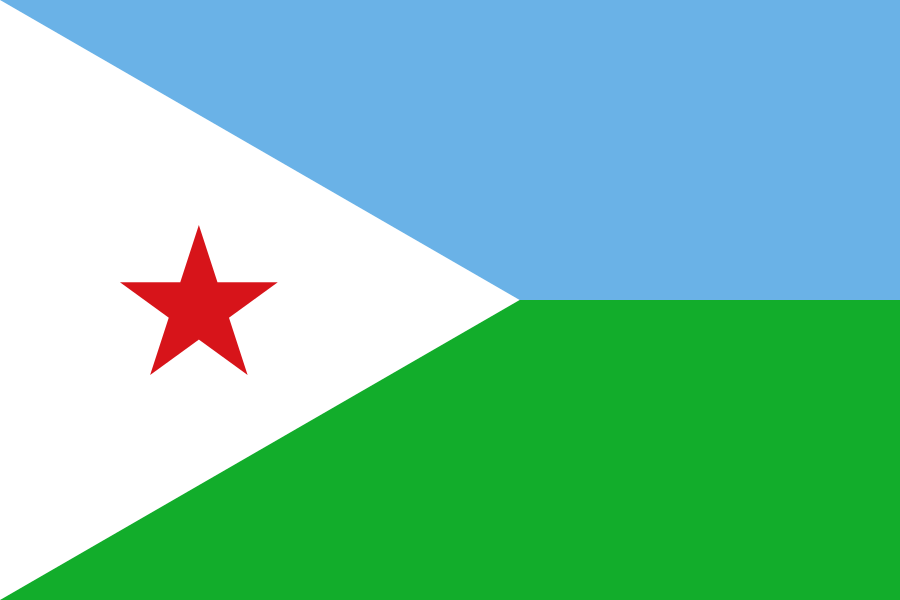 Djibouti
 Egypt
Egypt Equatorial Guinea
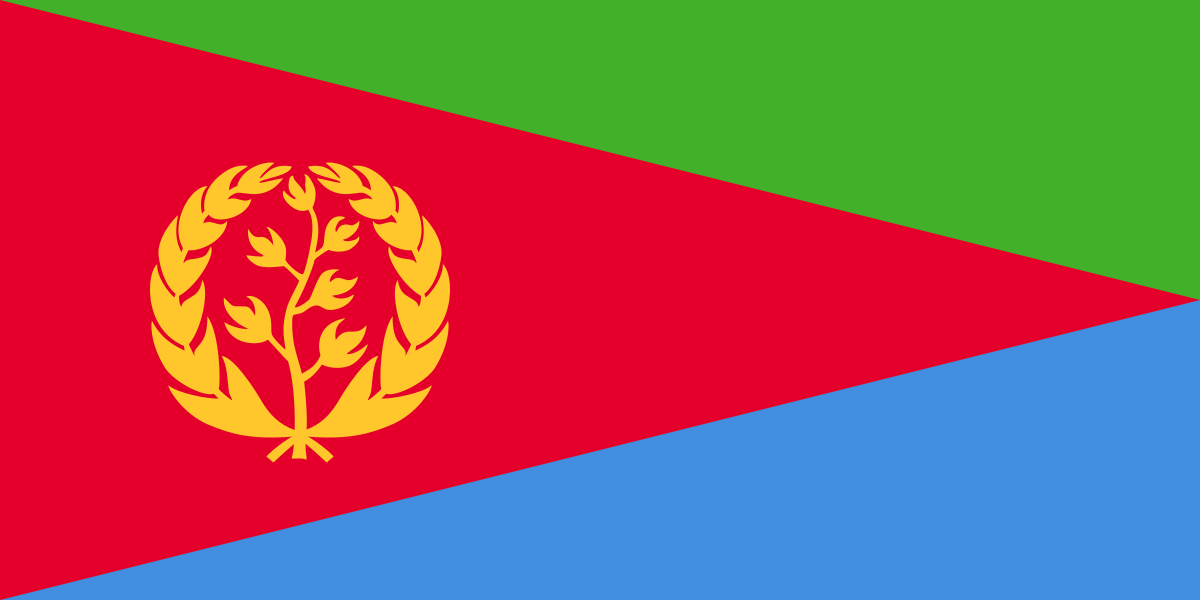 Eritrea
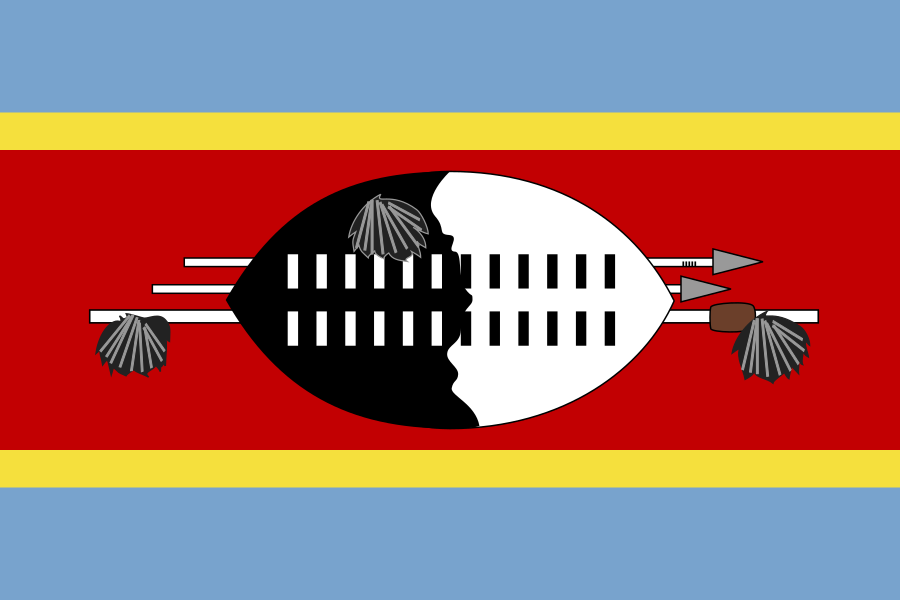 Eswatini
 Ethiopia
 Gabon
Gabon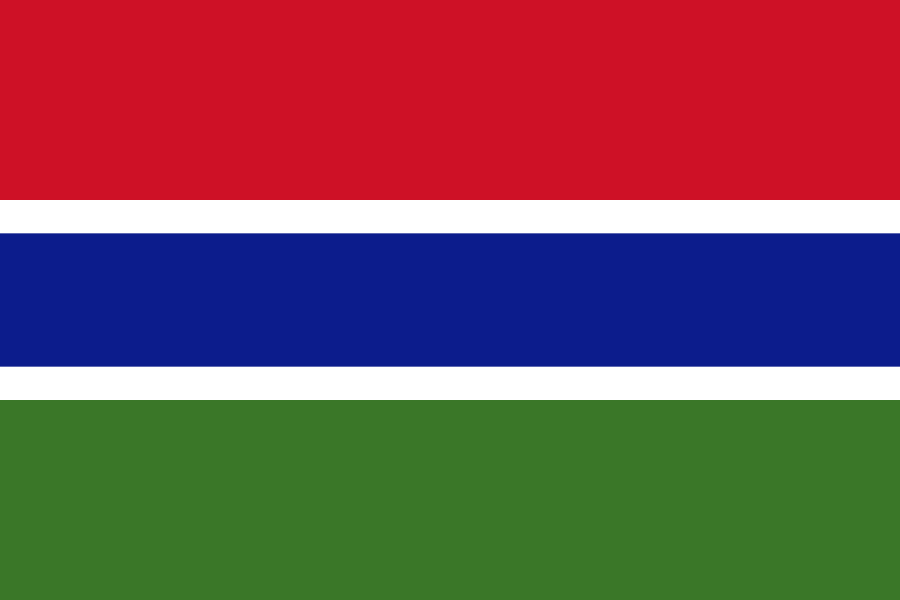 Gambia
 Ghana
Ghana Guinea
 Guinea-Bissau
 Kenya
Kenya Lesotho
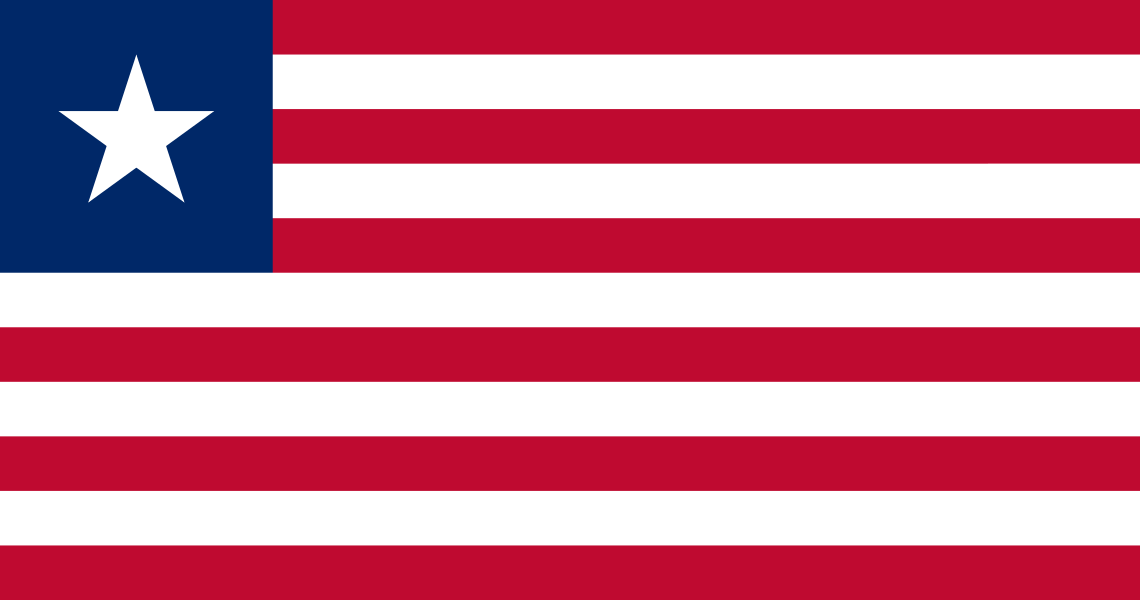 Liberia
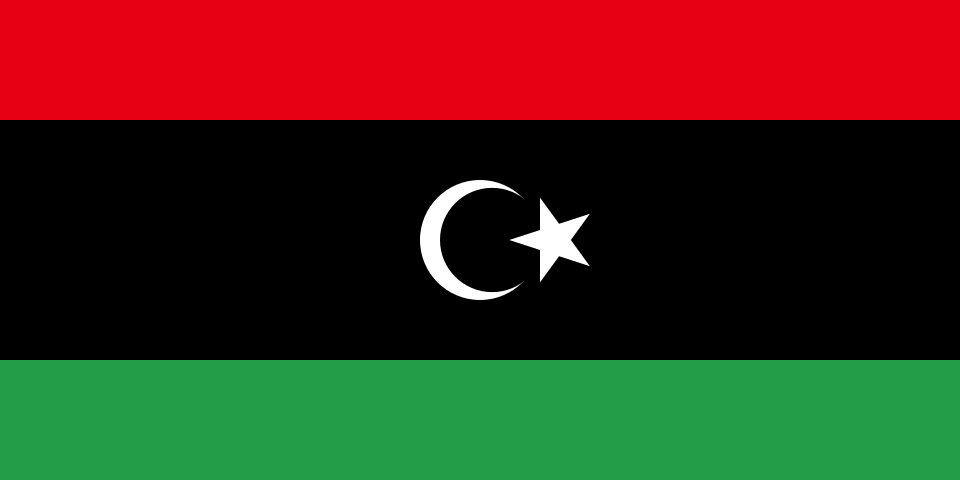 Libya
Libya Madagascar
 Malawi
 Mali
Mali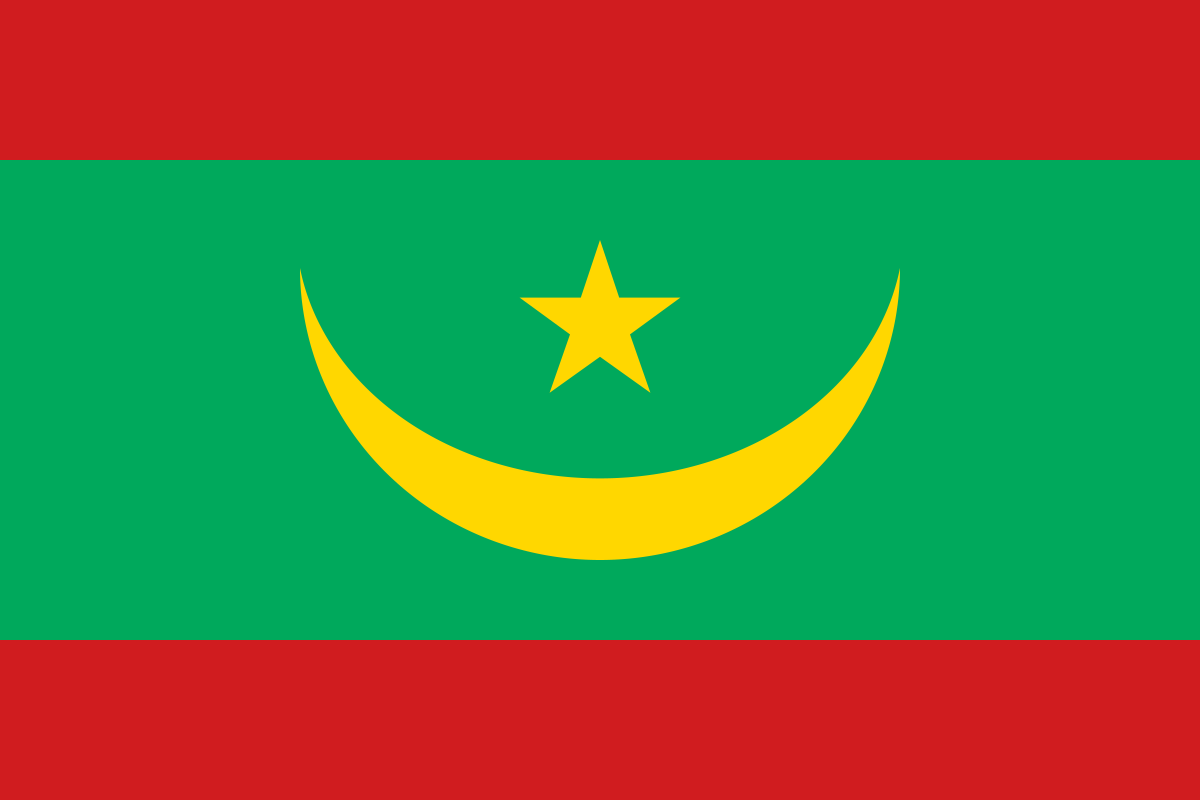 Mauritania
 Mauritius
 Morocco
 Mozambique
 Namibia
 Niger
Niger Nigeria
 Republic of the Congo
 Rwanda
 São Tomé and Príncipe
 Senegal
 Seychelles
 Sierra Leone
 South Africa
 Tanzania
 Togo
Togo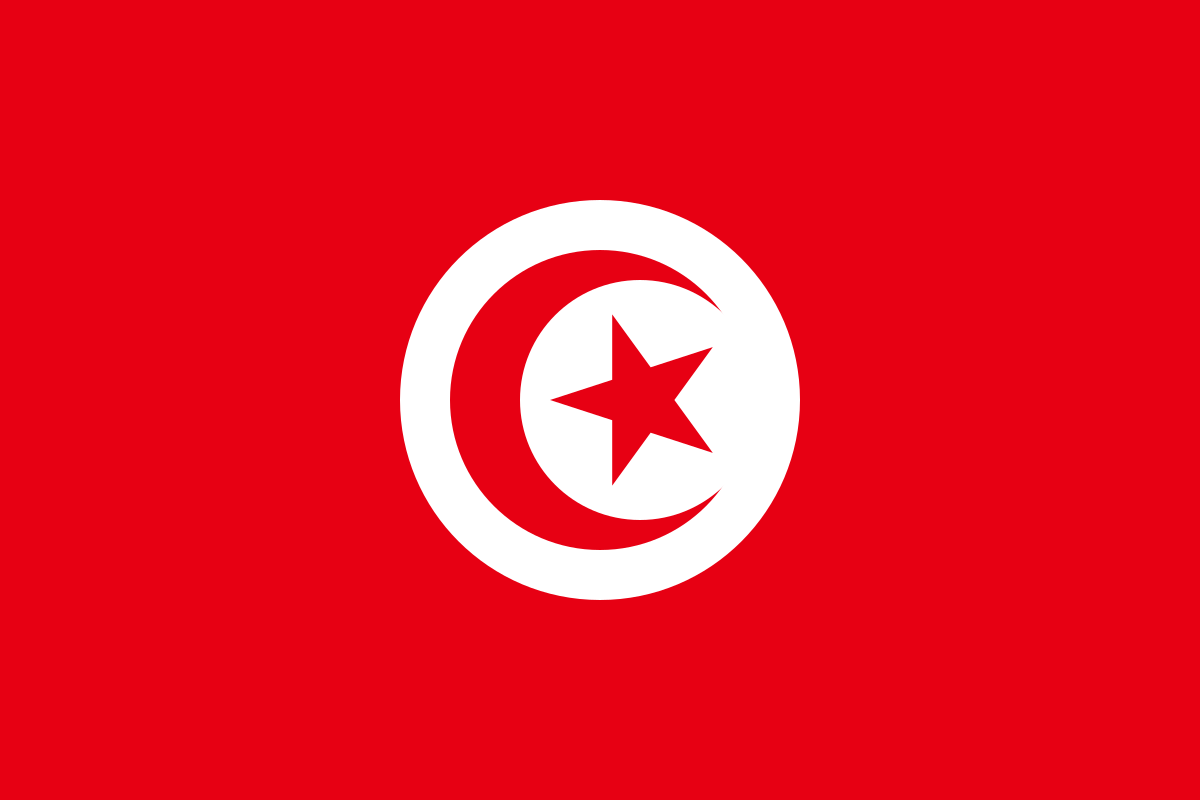 Tunisia
 Uganda
 Zambia
 Zimbabwe
 United States
 Canada
 Mexico
 Trinidad & Tobago
 Barbados
 Jamaica
 Panama
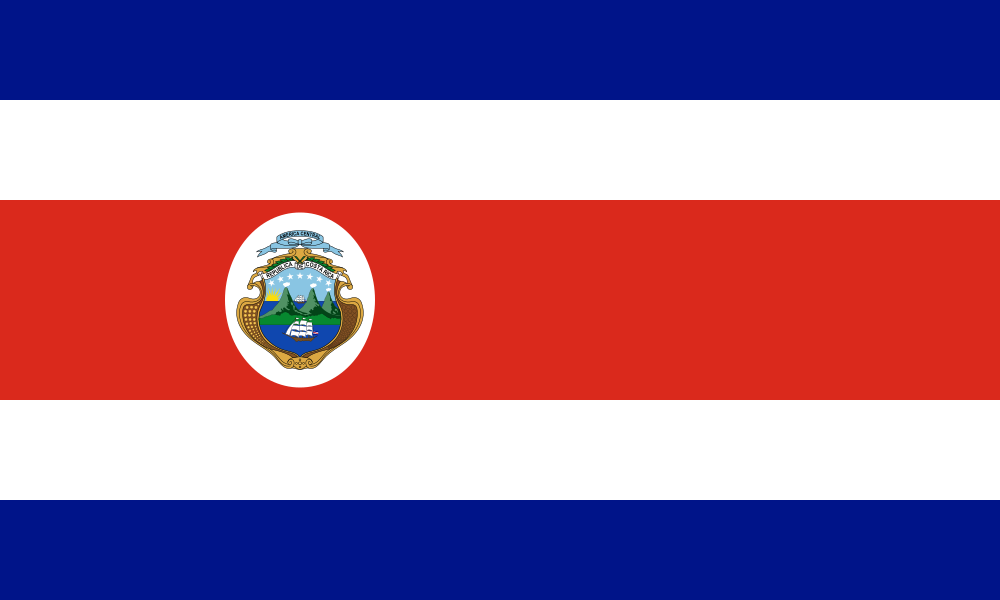 Costa Rica
 Antigua & Barbuda
 Bahamas
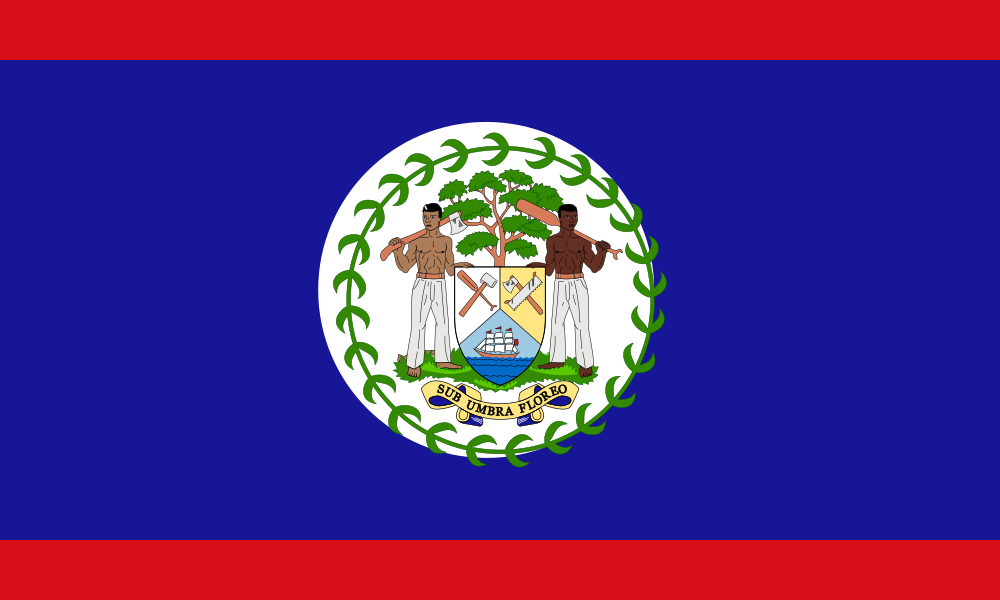 Belize
 Cuba
Cuba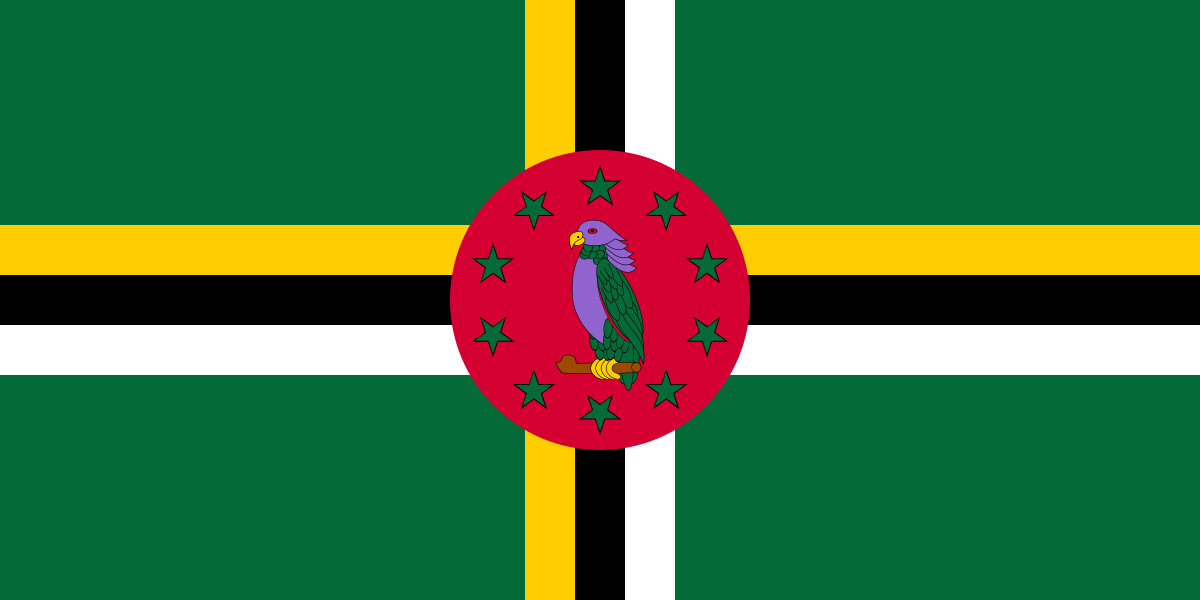 Dominica
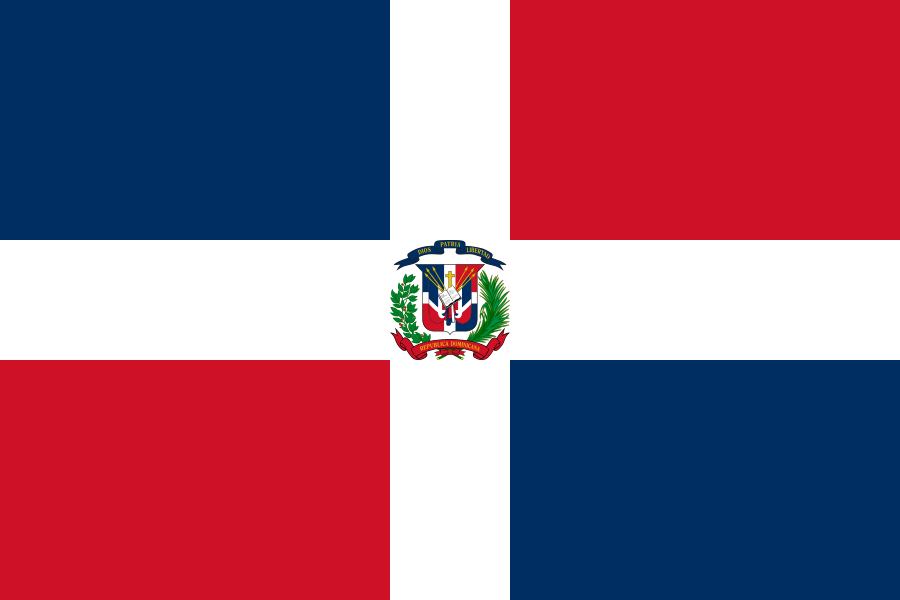 Dominican Republic
 El Salvador
 Grenada
 Guatemala
 Honduras
 Nicaragua
 Saint Lucia
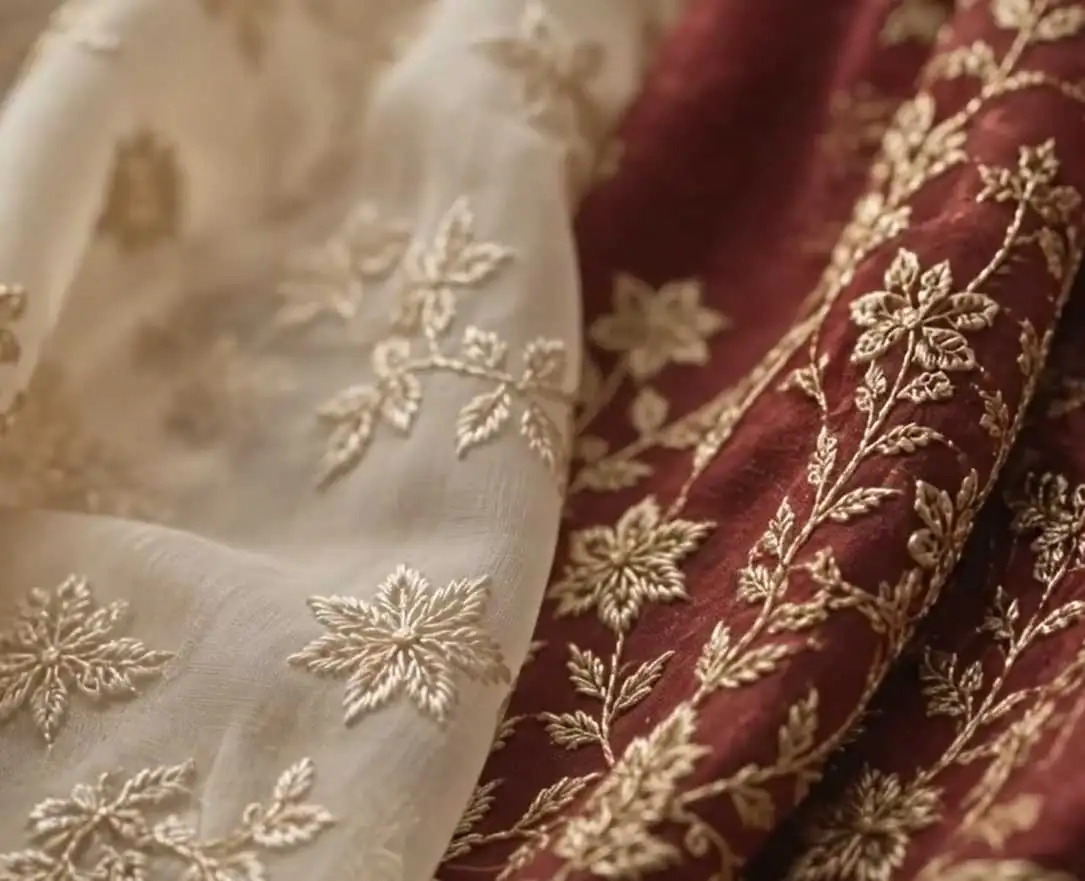
How We Manufacture Chikankari in Lucknow.
Awadh Karigiri follows a detailed Chikankari production process in Lucknow — from fabric selection and design tracing to hand embroidery, washing, finishing, quality checking and wholesale packing for boutiques, retailers, exporters and private label buyers.
A HANDMADE PROCESS BUILT AROUND FABRIC, TRACING, Embroidery & FINISHING
Lucknowi Chikankari is not just a garment-making process — it is an intricate needlecraft workflow.
A well-made Chikankari piece should feel balanced in fabric, embroidery, sizing and finishing. At Awadh Karigiri, the process starts with understanding the product category and buyer requirement. A Chikankari kurti, saree, dupatta, suit set, lehenga or sharara set may need a different fabric, embroidery density, motif placement and finishing method. This is especially important for wholesale, boutique and private label orders where repeat consistency matters.
Because Chikankari is handwork, natural variation is part of the craft. Our role is to manage that variation through careful planning, artisan coordination and quality checks so buyers receive a practical, retail-ready product directly from our Chowk and rural Lucknow artisan clusters.
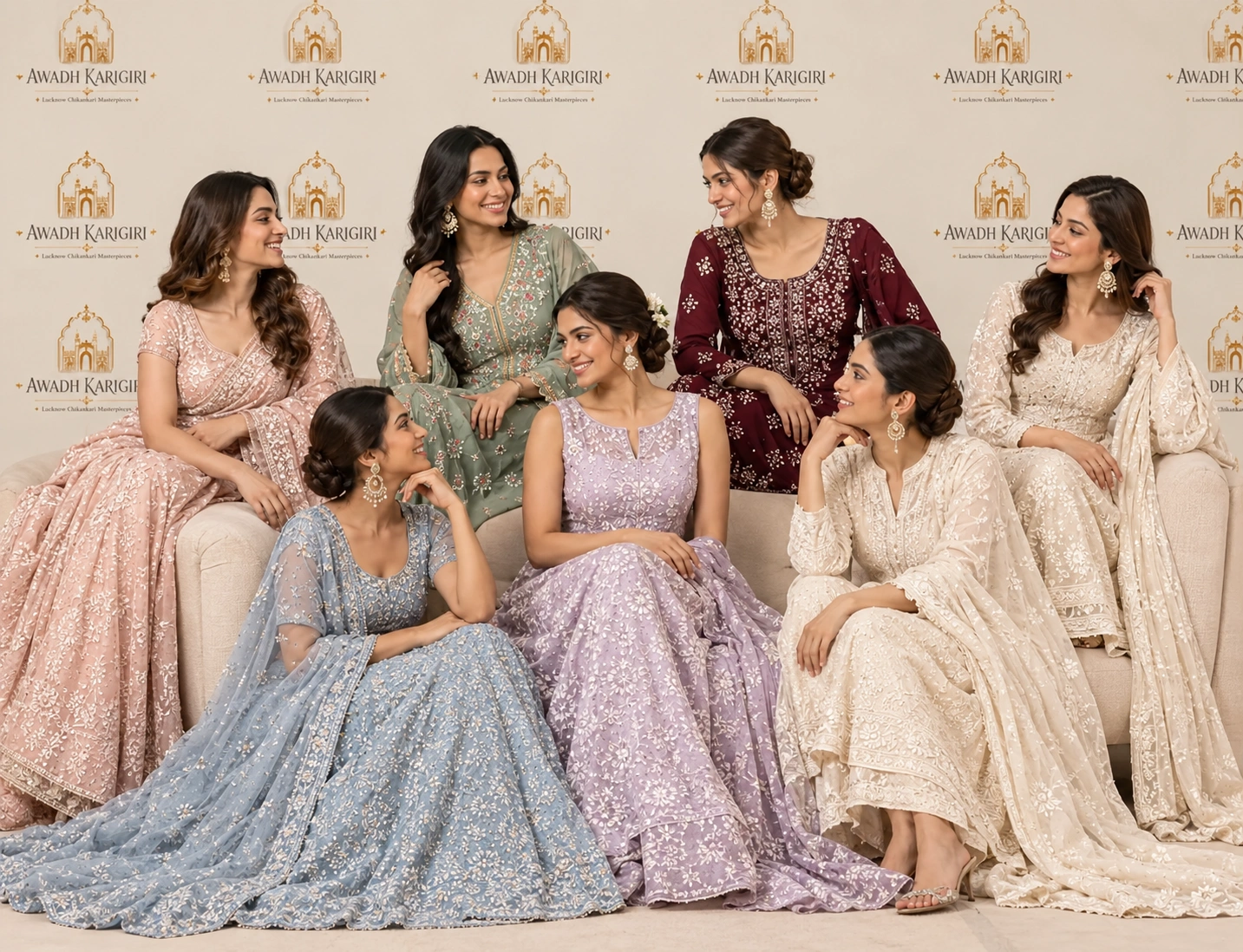
How a Chikankari Product is Made at Awadh Karigiri
A connected 8-stage production pipeline executed across our Lucknow karkhana and artisan clusters.
Buyer Brief & Planning
Category, quantity, fabric preference, target price point, embroidery level, sizing, and private label needs.
Fabric Selection
Selecting export-grade cotton, mulmul, modal, rayon, georgette, muslin, silk blends, or organza.
Design & Motifs
Planning borders, bootis, jaal work, floral vines, paisley elements, or custom buyer sketches.
Pattern Tracing
Woodblock stamping or manual stencil marking with fugitive dyes to guide artisan needle paths.
Hand Embroidery
Artisans execute Tepchi, Bakhiya, Phanda, Murri, Jaali, Keel Kangan, Hool, and Ghaspatti.
Washing & Cleaning
Careful laundering to purge tracing blue/ink residue without weakening yarn fibers.
Stitching & Pressing
Tailoring, side-slit reinforcement, hemming, thread trimming, and high-pressure steam pressing.
Quality & Packing
Final dimensional audits, stain removal checks, brand hangtags, poly-sleeves, and carton boxing.
Fabric & Embroidery Decisions Shape the Final Product
Cotton & Mulmul
Useful for daily wear kurtis, summer-friendly collections, lightweight dupattas and comfort-led boutique products.
Rayon, Modal & Georgette
Suitable for soft drape, modern silhouettes, suit sets, semi-formal wear and catalogue-friendly products for online sellers.
Silk, Organza & Luxury Blends
Used for sarees, lehengas, premium dupattas and festive collections where the buyer wants a more occasion-focused product line.
Stitch Density Planning
Light, medium and heavy Chikankari work affects pricing, production time, visual impact and suitability for daily wear or festive retail.
Quality control is built into every single stage.
Authentic Chikankari is hand embroidery, so every piece needs careful checking. Fabric behaviour, embroidery density, motif placement, thread finishing and washing response can all influence the final product. For wholesale buyers, quality control is important because one batch may be sold across multiple retail customers or online catalogues.
Our checking process focuses on practical retail readiness. We look at embroidery neatness, visible marks, loose threads, fabric feel, colour consistency, size alignment, finishing quality and packing suitability.
For private label and export-oriented orders, labelling, tagging and protective packaging details can also be reviewed as per buyer requirement, ensuring goods arrive shelf-ready.
- ◆ Fabric Check: Inspecting fabric feel, weave defects, shade variance, and pre-shrink stability
- ◆ Embroidery Check: Motif placement, stitch density balance, tension, and manual loose-thread clipping
- ◆ Finishing Check: Tailoring seams, hemming, delicate neck facing, lining, and professional steam pressing
- ◆ Size Check: Chest, waist, and length measurement consistency aligned with regional size curves
- ◆ Packing Check: Folding, custom brand tags, barcodes, moisture-proof polybags, and master carton sealing
Different Chikankari Products Need Tailored Production
Kurtis & Tunics
Kurti production focuses on fabric comfort, size consistency, embroidery placement, neck finishing, sleeve finishing and everyday wearability.
Sarees & Dupattas
Sarees and dupattas need border planning, pallu or corner detailing, drape behaviour, fabric fall, thread finishing and careful folding.
Suit Sets
Suit sets need coordination between kurta, bottom and dupatta, including colour matching, embroidery balance, size planning and packing.
Lehengas & Shararas
Premium products need heavier planning around embroidery layout, flare, lining, finishing, festive presentation and packing protection.
Why the Process Matters for Boutiques & Exporters
Repeat Order Consistency
Wholesale buyers need product consistency in fabric, embroidery density, size range and finish when they reorder a design or category.
Catalogue Accuracy
Online sellers and resellers need products that match catalogue expectations so customer communication and repeat selling remain easier.
Brand Presentation
Private label buyers need neat finishing, labels, tags and packing style so the final product feels aligned with their brand identity.
Dispatch Readiness
Bulk and export-oriented orders need proper folding, packing, carton planning, invoice details and shipment-related coordination before dispatch.
What Buyers Should Share for Custom Chikankari
Product Category
Share whether you need kurtis, sarees, suit sets, dupattas, lehengas, sharara sets or embroidery-only work on supplied fabric.
Design Reference
Send motif references, embroidery placement, colour direction, stitch preference, sample photos or a sketch for feasibility review.
Quantity & MOQ
Share approximate quantity, size range, fabric preference and whether you need sampling before production.
Branding & Packing
Private label buyers can discuss brand labels, hangtags, care labels, packing style, carton details and dispatch requirements.
FREQUENTLY ASKED Manufacturing Questions
Common questions about the Chikankari production process in our Lucknow workshops.
Chikankari is made through a process that includes fabric selection, design tracing, hand embroidery, washing, finishing, quality checking and packing. The exact process can vary by product category and embroidery style.
Direct Atelier Desk
Message our Lucknow karkhana team on WhatsApp to discuss custom production, lead times, and sampling.